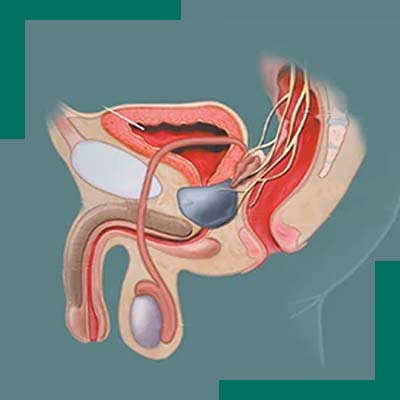
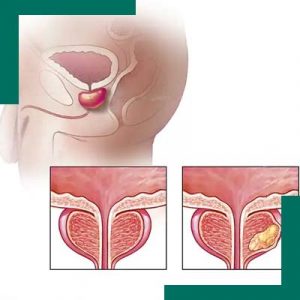
The prostate is a small walnut sized gland in the urinary tract below the bladder and snuggle around the urethra. The main function of the prostate is to produce part of the semen.
What are the symptoms of prostate cancer?
Prostate cancer may not cause any symptoms at all. The symptoms do not usually appear until the prostate is large enough to affect the tube that carries urine from the bladder out of the penis (urethra). The common symptoms of blocking prostate are frequency (an increased need to pee), night time urination, Intermittency, hesitancy and poor flow due to straining while you pee, feeling that your bladder has not fully emptied.
Investigations
The most used tests for prostate cancer are:
Blood tests including Prostate Specific Antigen and routine blood tests.
Physical examination of your prostate which is also known as a Digital Rectal Examination -This is done by inserting a gloved and lubricated index finger into the back passage to feel the structure and consistency of prostate.
MRI scan- Specialized scan to assess the anatomy of prostate.
Prostate Biopsy- Biopsy of prostate are usually done after numbing injections. There are two different types.
Trans Rectal prostate Biopsy – Biopsy taken through an ultrasound probe inserted into your rectum.
Trans Perineal Prostate Biopsy-Biopsy taken via a needle inserted into the prostate through the skin behind the scrotum.
Treatment of prostate cancer
Any man who lives till 100 years of age has a 100% risk of having small prostate cancer which is unlikely to bother. So all men with prostate cancer may not need treatment but can have a watchful wait policy. If the cancer is low volume, low nasty potential, early stages and not causing symptoms, the specialist may suggest either "watchful waiting" or "active surveillance". The overall chance of survival of this group appears to be same to the group that receive active treatment.
At the same time some cases of prostate cancer can be cured if treated in the early stages. The common curative treatment include-
Radical prostatectomy-Total surgical removal of the prostate.
Radical Radiotherapy – High intensity X-rays either on its own or alongside hormone therapy to kill the cancer cells in the prostate.
All radical treatment options carry the risk of side effects like erectile dysfunction, urinary incontinence, worsening of urinary symptoms or bowel problems. There are some newer treatments like high-intensity focused ultrasound (HIFU) and cryotherapy which are under trial.
Metastatic prostate cancer
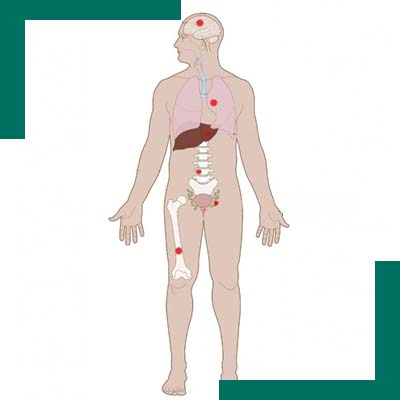
Some cancers are diagnosed at a later stage when it has spread to other body parts like lymph nodes or bone. If the cancer spreads to other parts of the body and cannot be cured, treatment is mainly aimed at cutting the testosterone supply to the cancer cells. This is known as Androgen Deprivation Treatment.
About
Consultant urologist with 20 years of international experience, who is European board certified and has fellowship from Royal College of Surgeons of Edinburgh.