The prostate is a small walnut-sized gland in the urinary tract below the bladder and snugly surrounds the urethra. The main function of the prostate is to produce part of the semen.
Prostate cancer may not cause any symptoms at all. The symptoms do not usually appear until the prostate is large enough to affect the tube that carries urine from the bladder out of the penis (urethra).
An increased need to urinate, especially frequent night-time urination (nocturia).
Intermittency, hesitancy, and poor flow due to straining while you urinate, or a feeling of incomplete emptying.
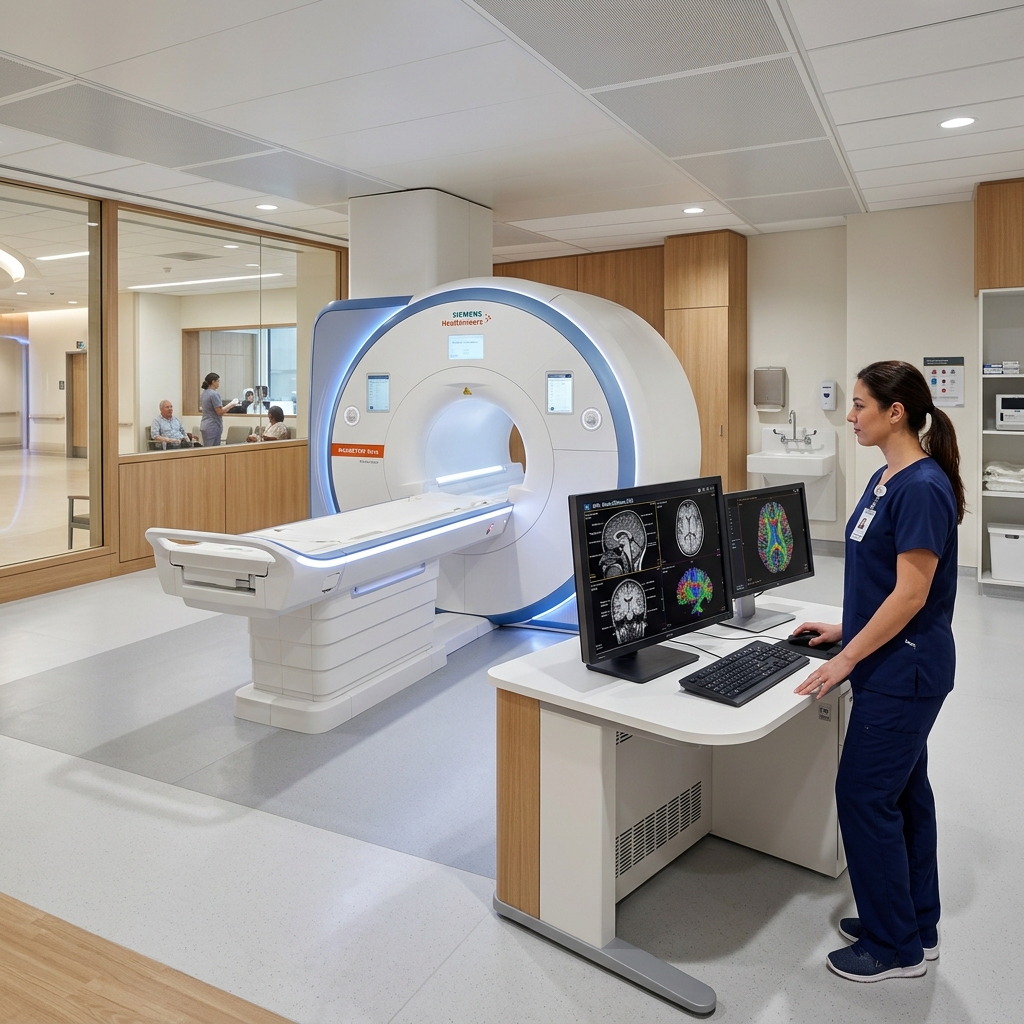
Early detection is vital. Diagnostic pathways include standard Prostate-Specific Antigen (PSA) blood tests, advanced MRI imaging, and highly precise ultrasound-guided prostate biopsies to accurately determine the presence and extent of cancerous cells.